If there’s one city in India that took to British cuisine and embraced it warmly, it’s got to be Kolkata (erstwhile Calcutta). What’s even more interesting – and a food historian will back this up – is that British food developed its own unique personality in Kolkata assimilating local ingredients and flavours. Today, decades after the British have left, Kolkata still remains the most British-like city in India where you may casually bump into someone who feels “truly satiated after a dish of rice and meat balls”.
In many ways, Kolkata is a lasting legacy of the Britishers where many culinary traditions are preserved and celebrated. As the year gradually draws to a close with winter preparing to descend in a few weeks, we discuss five of these culinary delights that we have relished another year in Kolkata –
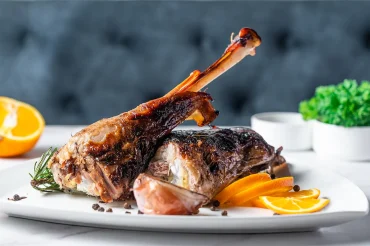
- The Sunday Roast – Did you know that the traditional Sunday Roast – a very British dish – has a dual identity in the context of Indian food history? Specifically in Kolkata, it carved its unique place in the city’s culinary repertoire for the British, the Anglo-Indians, as the Indian elite. It also served as direct inspiration for a range of entirely new and distinct roast dishes that the Anglo-Indian community created in its kitchens.
- The gold standard of the Sunday Roast consisted of certain basic components – wholesome roasted meat, Yorkshire pudding, roasted potatoes and vegetables, and gravy. It was very British structurally, historically eaten by the family together after Sunday church services.
The centerpiece of the Sunday Roast was the meat dish, a largish joint that had been roasted slow in the oven. Note that the meat used typically dictated the condiments that went alongside it traditionally. - Roast Beef was the most preferred choice and served medium-rare paired with a sharp horseradish sauce.
- Roast Pork was favoured for its “crackling” crispiness and paired with sweet apple sauce.
- Roast Lamb was popular for Easter roasts and usually paired with a tangy mint sauce.
- Roast Chicken was a hot comforting favourite that came with sage and onion stuffing and served with a creamy bread sauce.
Next up, came the essential trimmings which were just as important as the centerpiece. A great Sunday Roast was clearly defined by the “sides” that accompanied it. - Yorkshire Pudding made from a batter of eggs, flour, and milk was again a British staple that rose when beautifully done to form a crispy, puffy bowl designed to catch the gravy.
- Roast Potatoes (also known as ‘Roasties’) were parboiled potatoes, nicely roughed up at the edges to form an extra surface layer and then fried in hot fat till they turned crisp and golden brown on the outside but remained quite soft and fluffy on the inside.
- Mixed Vegetables like roasted parsnips, peas, carrots, steamed broccoli, cauliflower cheese (cauliflower that was baked with rich cheddar sauce) presented a delightful colour palette and flavour.
- Gravy was the single element that actually tied up the different components of the Sunday Roast together. A deeply savoury thick affair that was poured over the dish, the gravy was created out of pan juices and brown surplus bits left after roasting the meat. It was deglazed with animal stock and simmered for a long time till it gave off a distinct aroma and richly thick.
The Sunday Roast remains popular today both in the original form and its various evolutions along the decades. This culinary anchor of a meal continues to have many fans.
- The gold standard of the Sunday Roast consisted of certain basic components – wholesome roasted meat, Yorkshire pudding, roasted potatoes and vegetables, and gravy. It was very British structurally, historically eaten by the family together after Sunday church services.
- Mutton Curry – Undoubtedly the hot favourite of the British in India and tweaked in several little ways as per geography and availability of ingredients, the Mutton Curry found its way into many kitchens across India. In Kolkata, it was warmly welcomed and carved a permanent place for itself in elite club kitchens.
The basic Mutton Curry and its close cousins, the Dak Bungalow Curry and Railway Mutton Curry, were created for British palates by Indian khansamas modifying traditional recipes for their employers from far-away lands. These cooks looked with pity at the bland, rather uninspiring stews of their masters and quietly reached for their spice boxes and local ingredients. Voila, before long there was a new exciting hybrid dish, the Mutton Curry.
The anatomy of the dish was quite simple. Cull a local goat, marinate in yoghurt, ginger-garlic paste, turmeric, and mustard oil. Then, cook over an open woodfire in mustard oil with coarsely ground spices. Let it simmer long till the gravy gets dense and flavourful. To stretch the volume of the dish, half potatoes and hardboiled eggs were added.
The Dak Bungalow Curry has several fans. Different members of the Kapoor family of Bollywood who are well-known gourmets have gone on record declaring this dish is their perennial favourite. - Devilled Crab – Let’s say a true colonial masterpiece was created in Kolkata with the Devilled Crab. Devilling, a culinary technique where a seafood or meat item is cooked with sharp mustard, vinegar, and heavy pepper, found a lot of favour in British pubs back then. Now, when it landed in Kolkata, local chefs went right ahead and gave it a brilliant, theatrical transformation. They took freshly-caught, locally grown crabs, flaked the meat and tossed it with a blend of fresh kasundi (a local pungent mustard sauce),finely minced green chillies, flakes of onion, and locally available warm spices. The mixture was then stuffed into cleaned, whole shells of crabs, topped with generous layers of butter-rich breadcrumbs and baked till the crust was a rich golden-brown. It was always served hot off the oven, sizzling hot with a crunchy exterior and delicious sweet and spicy crabmeat within. This ingenuity is still around in Kolkata with its own dedicated fan following.
- Chicken à la Kiev – While dishes like the Railway Mutton Curry were created with a practical need in mind, Chicken à la Kiev arrived in all its glory in Kolkata to satisfy a completely different craving: the high-society appetite for global sophistication. During the late-colonial and mid-century eras, Russian and French culinary trends were the high points of elitist living among the ones who loved the good life. Grand restaurants on Park Street adopted this European classic to establish Kolkata (Calcutta) as a glamorous, cosmopolitan dining destination.
We may say Chicken à la Kiev itself is a masterclass in culinary theater. A tender chicken breast is pounded thin, wrapped tightly around a large, chilled block of herb-flecked butter, meticulously breaded, and deep-fried to a flawless golden crunch. The true magic of Chicken à la Kiev, however, lies in the eating. When you pierce the crispy exterior with a knife, it unleashes a geyser-like burst of piping hot, melted herb butter that floods the plate. That’s absolute “Pro Level” culinary aesthetics as a Zoomer would say.
No British-era meal in Calcutta was complete without the essential social ritual of afternoon high tea which included a variety of sandwiches and bakes. We’ve picked two classic bakes, very individual in character, that remain legendary mainstays of the city’s heritage ovens: - Rich Fruit Cake – The classic British Fruit Cake or Rich Fruit Cake remains the undisputed king of winter nostalgia in Kolkata and is available easily across the city. It is a dense, dark, and deeply rich bake stuffed with molasses, dark brown sugar, and warm spices like cinnamon and nutmeg. The Rich Fruit Cake instantly announces that Christmas and New Year spirit is in the air. The Rich Fruit Cake’s defining feature is the generous load of black raisins, currants, and neon-colored glacé cherries that have been deeply soaked in brandy or rum for months before baking. It is a hearty, boozy celebration centerpiece that draws thousands of locals to queue for hours outside their favourite heritage bakeries every December.
- Dundee Cake – In contrast to its darker and heavier cousin, the Dundee Cake harking back from the same era, is a lighter, airier Scottish classic designed for the everyday tea table. Imagine a bright, golden crumb with a zesty citrus profile, famously using orange marmalade and plenty of sweet-smelling candied orange peel in place of heavy dark fruits. Visually, it is completely un-iced and instantly recognizable by its unmistakable simple geometric top layer of concentric circles of whole blanched almonds. The Dundee Cake represents a precise, historic baking tradition that offers a perfect, clean-cutting bite alongside a hot cup of Darjeeling tea.
Chapter 2 Brings a Slice of History to its Diners
Brothers and founders of Chapter 2, Shiladitya and Debaditya Chaudhury created Chapter 2 to provide an immersive experience of Kolkata’s colonial history to diners.
Says Shiladitya Chaudhury,” We were set firmly on the city’s culinary food trail ourselves from a young age as we accompanied our parents to iconic restaurants and clubs in Kolkata. The city has a fantastic, historically rich culinary culture. Pure British imports and subsequent Anglo-Indian evolutions as well as other ingenious fusions are the stuff of culinary history.”
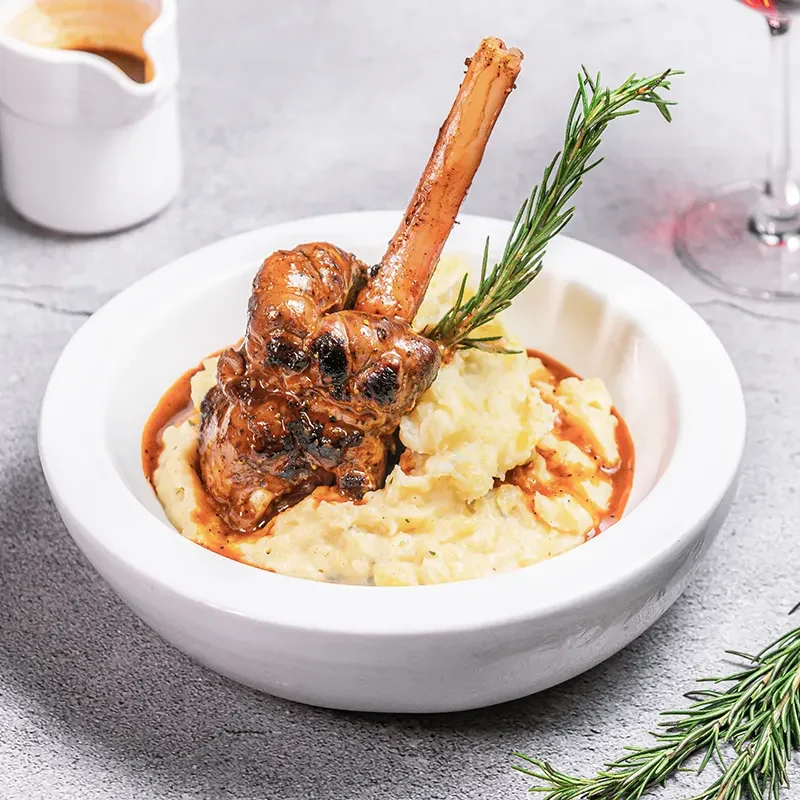
Adds Debaditya Chaudhury, “At Chapter 2, diners get to relive their memories with our exclusive chicken and lamb preparations. As for the younger generation, we invite them to step in and enjoy a slice of Kolkata’s culinary heritage.”
Walk into this retro-themed boutique restaurant to experience the culinary magic of British-Indian kitchens yourself.